
Deepfakes Explained: How AI Is Changing Reality, Media, and Cybersecurity
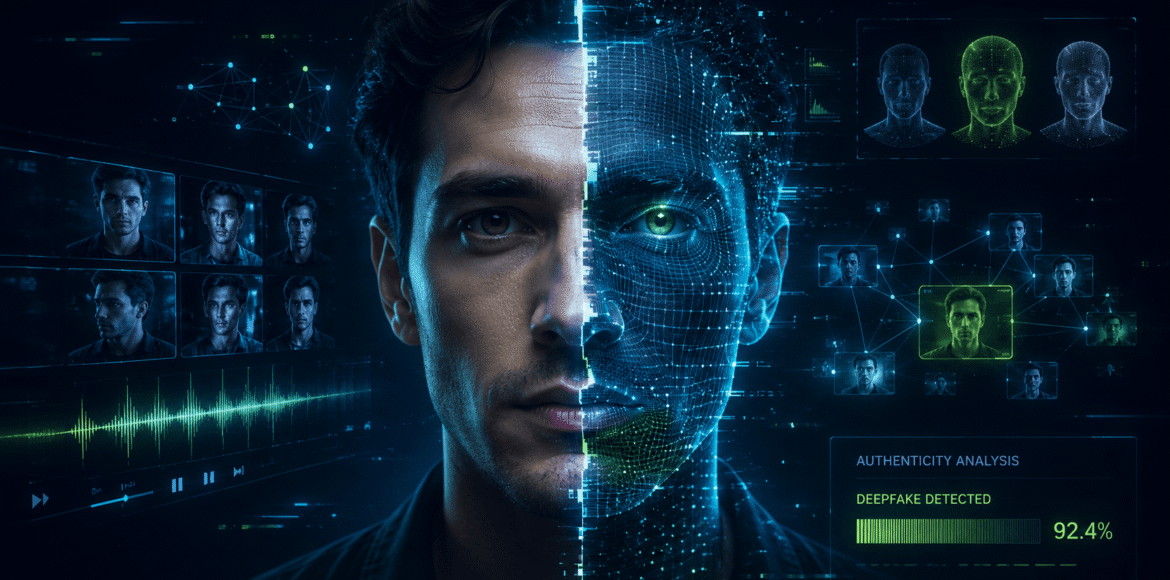
Artificial intelligence is evolving faster than ever, and one of its most controversial creations is the deepfake. What once looked like science fiction has become widely accessible technology capable of generating realistic videos, voices, images, and even live conversations that are nearly impossible to distinguish from reality.
Deepfakes are transforming entertainment, marketing, education, and content creation — but they are also creating serious risks for cybersecurity, politics, journalism, and personal identity.
As AI tools become more powerful and accessible, understanding deepfakes is no longer optional. It’s essential.
What Is a Deepfake?
A deepfake is synthetic media generated using artificial intelligence and machine learning techniques to imitate a real person’s appearance, voice, or behavior.
The word “deepfake” combines:
- Deep Learning — an AI training method using neural networks
- Fake — fabricated or manipulated content
Deepfake technology can:
- Replace one person’s face with another in a video
- Clone a person’s voice
- Generate realistic AI avatars
- Create fake speeches or interviews
- Produce entirely synthetic humans that never existed
Modern deepfakes can replicate facial expressions, lip movements, emotional tone, and speaking patterns with shocking accuracy.
How Deepfakes Work
Deepfakes are typically powered by advanced AI models trained on large amounts of visual or audio data.
1. Data Collection
The AI gathers images, videos, or audio recordings of a target person.
Examples include:
- YouTube videos
- Social media posts
- Podcasts
- Interviews
- Public photos
2. Training the AI Model
Machine learning models analyze:
- Facial structure
- Voice patterns
- Expressions
- Speech rhythm
- Body movements
The system learns how the person looks and sounds from different angles and emotional states.
3. Content Generation
The AI then creates synthetic content by predicting how the person would:
- Speak
- Move
- Smile
- Blink
- React
4. Refinement
Modern tools use advanced rendering and synchronization techniques to improve realism, including:
- Lip syncing
- Lighting correction
- Emotion mapping
- Voice enhancement
The final output can appear incredibly authentic to the human eye.
Types of Deepfakes
Deepfake technology extends far beyond fake videos.
Video Deepfakes
AI-generated videos replacing faces or altering actions.
Voice Cloning
AI-generated speech mimicking a person’s voice.
AI Avatars
Digital humans capable of speaking and interacting in real time.
Image Manipulation
Synthetic images of people or events that never occurred.
Real-Time Deepfakes
Live facial or voice transformation during video calls or streaming.
The Positive Uses of Deepfake Technology
Despite the controversy, deepfake technology has legitimate and innovative applications.
Entertainment Industry
Hollywood and gaming studios use AI-generated visuals for:
- De-aging actors
- Recreating historical figures
- Dubbing content into multiple languages
- Enhancing visual effects
Education and Training
AI avatars can:
- Teach complex subjects
- Simulate historical events
- Provide interactive learning experiences
Accessibility
Voice cloning can help individuals who lose their ability to speak due to illness or injury.
Marketing and Content Creation
Brands use AI presenters and multilingual avatars to:
- Scale content production
- Personalize advertising
- Reduce production costs
Virtual Influencers
AI-generated personalities are becoming social media influencers, brand ambassadors, and digital creators.
The Dark Side of Deepfakes
While the technology has benefits, the dangers are growing rapidly.
Misinformation and Fake News
Deepfakes can spread false information at unprecedented speed.
A realistic fake video of:
- A politician
- A celebrity
- A military leader
- A CEO
can influence public opinion before verification occurs.
Financial Fraud
Cybercriminals now use AI voice cloning to impersonate executives and authorize fraudulent transactions.
Some companies have already lost millions due to AI-generated voice scams.
Identity Theft
Deepfake technology can:
- Mimic biometric verification
- Bypass facial recognition systems
- Fake identity documents
Political Manipulation
Deepfakes can be weaponized during elections to:
- Spread propaganda
- Create fake speeches
- Damage reputations
- Manipulate voters
Non-Consensual Explicit Content
One of the most harmful uses involves generating fake explicit material using real people’s faces without consent.
This has become a major ethical and legal concern worldwide.
Why Deepfakes Are Becoming More Dangerous
Several factors are accelerating the threat.
AI Tools Are Now Public
Previously, deepfake creation required advanced technical skills.
Today, beginner-friendly AI tools can generate realistic content within minutes.
Social Media Amplifies Distribution
Fake content spreads rapidly across:
- TikTok
- X (Twitter)
- YouTube
- Telegram
before fact-checkers can respond.
Humans Naturally Trust Visual Evidence
People tend to believe what they see and hear, making deepfakes psychologically powerful.
AI Quality Is Improving Rapidly
Each new generation of AI models improves:
- Realism
- Resolution
- Voice accuracy
- Motion consistency
Soon, distinguishing real from fake may become nearly impossible without AI detection tools.
How to Detect Deepfakes
Although detection is becoming harder, several warning signs still exist.
Visual Clues
Watch for:
- Unnatural blinking
- Lip-sync mismatches
- Strange lighting
- Distorted facial edges
- Inconsistent shadows
Audio Irregularities
Listen for:
- Robotic tones
- Unnatural pauses
- Emotion mismatches
- Background inconsistencies
Context Verification
Always verify:
- Original source
- Upload history
- Trusted news coverage
- Metadata
AI Detection Tools
Researchers are developing AI systems designed specifically to identify synthetic media.
However, this has become an ongoing AI arms race between creators and detectors.
The Future of Deepfakes
Deepfake technology is still in its early stages.
In the coming years, we may see:
- Fully AI-generated influencers
- Real-time multilingual AI communication
- AI-powered movies with synthetic actors
- Hyper-personalized digital assistants
- Virtual humans indistinguishable from reality
At the same time, governments and organizations are racing to establish:
- AI regulations
- Digital watermarking standards
- Content authentication systems
- Ethical AI frameworks
The future will depend on how responsibly society manages this technology.
How Businesses Should Prepare
Companies can no longer ignore synthetic media risks.
Organizations should:
- Train employees about AI scams
- Strengthen identity verification systems
- Implement multi-factor authentication
- Use AI detection software
- Establish media verification protocols
Cybersecurity strategies must now include protection against AI-generated deception.
Ethical Questions Surrounding Deepfakes
Deepfakes raise difficult ethical issues:
- Who owns a person’s likeness?
- Should AI-generated identities require disclosure?
- Can synthetic media ever be fully trusted?
- Where is the line between creativity and deception?
As AI advances, society must redefine concepts of:
- authenticity
- privacy
- consent
- trust
Final Thoughts
Deepfakes represent one of the most powerful and disruptive applications of artificial intelligence.
The same technology capable of revolutionizing entertainment, education, and communication can also undermine trust, spread misinformation, and enable large-scale fraud.
We are entering an era where seeing is no longer believing.
Understanding deepfakes is the first step toward navigating a future shaped by synthetic media and AI-generated reality.
The question is no longer whether deepfakes will impact society.
The real question is: Are we prepared for the world they are creating?